

Muscle Building
Complete Protein Guide for Men
Learn how to optimize protein intake for muscle growth and recovery. This guide covers protein sources, timing, and daily requirements tailored for male fitness goals.
Read Article →Discover comprehensive guides curated by nutrition experts to support your wellness journey and healthy lifestyle choices.
The information on this site is for educational purposes only and does not constitute medical advice. Always consult a qualified healthcare professional before making health decisions.
Learn how to optimize protein intake for muscle growth and recovery. This guide covers protein sources, timing, and daily requirements tailored for male fitness goals.
Read Article →
Discover which minerals are critical for cardiovascular function, bone density, and overall wellness. Includes food sources and supplementation insights.
Read Article →
Understand how proper hydration impacts endurance, strength, and recovery. Expert recommendations for daily intake and workout-specific hydration strategies.
Read Article →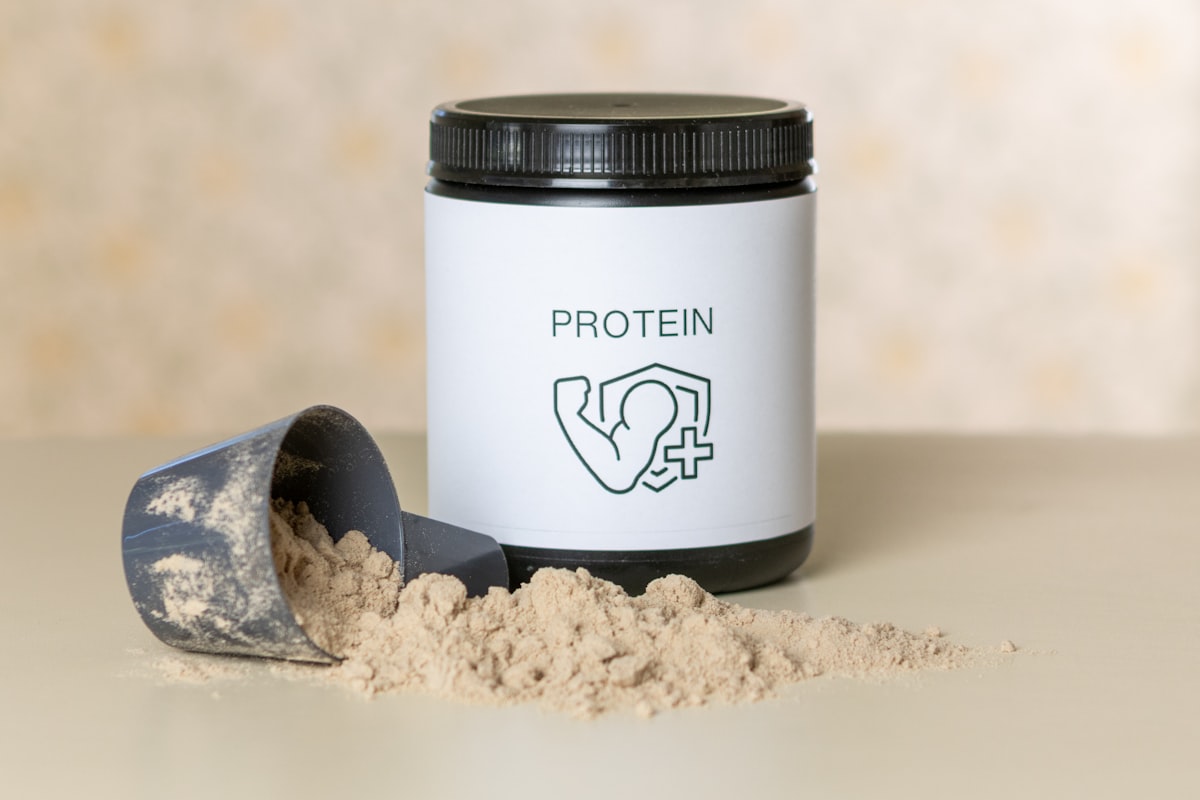
Master the science of carbohydrate timing for maximum energy and performance. Learn which carbs fuel workouts and which support recovery.
Read Article →
An in-depth look at vitamins and minerals essential for men's health, from immune function to cognitive performance and emotional wellbeing.
Read Article →
Explore sustainable dietary approaches that support healthy weight management without compromising nutritional intake or athletic performance.
Read Article →
Discover how antioxidant-rich foods support muscle recovery and reduce exercise-induced oxidative stress for optimal performance gains.
Read Article →
Learn how to optimize gut health to maximize nutrient absorption, improve energy levels, and support overall wellness and longevity.
Read Article →
Optimize your pre-workout meals and snacks to boost energy, enhance performance, and support muscle building during intense training sessions.
Read Article →Get answers to common questions about men's nutrition, supplementation, and healthy lifestyle choices.
Most fitness experts recommend a protein intake of 0.8 to 1.0 grams per pound of body weight for men focused on muscle building and athletic performance. For general health maintenance, 0.6 to 0.8 grams per pound is typically sufficient. The exact amount depends on your training intensity, fitness goals, age, and overall activity level. It's important to distribute protein intake throughout the day in multiple meals for optimal muscle protein synthesis.
Hydration is critical for athletic performance. Even mild dehydration of 2-3% of body weight can significantly impact endurance, strength output, and cognitive function. Your muscles are approximately 75% water, and proper hydration supports nutrient transport, thermoregulation, and energy production. Men typically need to drink half their body weight in ounces daily, with additional intake based on activity level, climate, and individual sweat rate. During intense exercise, drinking 7-10 ounces of fluid every 10-20 minutes is recommended.
Optimal post-workout nutrition combines protein for muscle repair and carbohydrates for glycogen replenishment. Ideal choices include grilled chicken with rice, salmon with sweet potato, lean beef with whole grain pasta, or Greek yogurt with berries. Consuming this combination within 30 to 120 minutes after exercise supports muscle recovery and adaptation. The post-workout window is when your muscles are primed to absorb nutrients, making nutrient timing particularly important for those focused on performance and recovery.
Supplements can be beneficial when used to complement a well-balanced diet rather than replace whole foods. Common supplements for men include whey protein powder for convenient protein intake, creatine for strength and muscle gains, omega-3 fatty acids for heart health, and multivitamins to fill potential nutritional gaps. However, the foundation should always be solid whole-food nutrition. Consult with a nutrition expert to identify any specific deficiencies or gaps in your diet before adding supplements to your routine.
Sustained energy comes from stable blood sugar levels, which you achieve by combining complex carbohydrates, protein, and healthy fats in each meal. Whole grains, vegetables, legumes, nuts, and quality protein sources provide steady energy without the crash of refined sugars. Staying consistently hydrated, eating regular meals, and timing carbohydrates around your activities also supports stable energy. Avoiding excessive caffeine and prioritizing quality sleep further enhances your body's ability to maintain consistent energy throughout the day.
Our editorial team continuously publishes science-backed articles to help you make informed nutrition choices. Browse additional content and learn from expert contributors.
Explore our comprehensive collection of nutrition guides, evidence-based articles, and expert recommendations. Whether you're starting your wellness journey or optimizing existing habits, our editorial content covers everything from basic principles to advanced strategies.
Subscribe to receive our latest articles, expert insights, and evidence-based nutrition recommendations delivered to your inbox.
Discover our comprehensive expert guides and connect with our editorial team for content recommendations tailored to your interests.