
Men's Nutrition Revolution: Expert-Backed Strategies
Discover science-based nutrition principles designed specifically for male health, performance, and longevity. Our comprehensive guide breaks down exactly what your body needs to thrive.

The information on this site is for educational purposes only and does not constitute medical advice. Always consult a qualified healthcare professional before making health decisions.
Why Targeted Male Nutrition Matters
Higher protein needs compared to recommended daily allowance for optimal muscle maintenance
Greater zinc requirements for testosterone production and immune function in adult males
Increased caloric expenditure during intensive training requiring strategic nutritional support
More cardiovascular demands requiring enhanced antioxidant and micronutrient intake
Essential Nutrition Categories for Men
Strategic nutrition for male health encompasses six core pillars. Each addresses specific biological needs unique to male physiology and supports sustainable wellness.
Muscle-Building Protein Protocol
Adult males require 0.7–1.0 grams of protein per pound of body weight daily for strength maintenance and growth. Quality sources include lean meats, fish, eggs, legumes, and dairy products. Distribute protein intake across 4–5 meals to maximize muscle protein synthesis throughout the day.
Optimal for muscle recovery
Cardiovascular Health Foundation
Men face higher cardiovascular risks after age 40. Strategic nutrition includes omega-3 fatty acids (salmon, sardines), plant-based fiber (30 grams daily), and antioxidant-rich foods. Limiting processed sugars and refined carbohydrates protects arterial health and supports stable energy levels.
Heart protection strategy
Hormone-Supporting Micronutrients
Zinc, vitamin D, and selenium directly influence testosterone production and metabolic function. Daily zinc intake should reach 11 milligrams; vitamin D targets 1,000–2,000 IU. Sources include oysters, beef, pumpkin seeds, mushrooms, and fortified cereals. Regular sunlight exposure strengthens vitamin D synthesis.
Hormonal balance support
Cognitive & Mental Clarity Nutrients
B vitamins, choline, and omega-3s support brain function and stress resilience. Adequate intake prevents cognitive decline and enhances focus. Include eggs, walnuts, blueberries, spinach, and whole grains. Magnesium (400 milligrams daily) aids sleep quality and stress management.
Mental performance boost
Immune System Resilience
Vitamin C (75 milligrams daily), vitamin A, and glutamine strengthen immune barriers. Men often neglect immune nutrition during intense training. Include citrus fruits, carrots, red peppers, and bone broth. Adequate sleep and stress management amplify immune benefits.
Defense mechanism strengthening
Energy & Metabolism Optimization
Strategic carbohydrate timing around workouts maximizes performance and recovery. Include complex carbs (brown rice, oats, sweet potatoes) for sustained energy. B vitamins activate metabolic pathways. Hydration status directly impacts strength and endurance during physical activity.
Peak performance fuel

The Science Behind Optimal Male Health
Male physiology differs significantly from female biology in ways that directly impact nutritional requirements. Testosterone production, higher muscle mass percentages, greater caloric expenditure, and unique cardiovascular vulnerabilities create distinct nutritional demands.
Research demonstrates that men who optimize protein intake, maintain micronutrient sufficiency, and time carbohydrates strategically experience improved strength retention, enhanced recovery speed, and better long-term health markers. The foundation of male wellness rests on understanding these biological realities.
Our expert guides synthesize decades of nutritional science into actionable strategies you can implement immediately. Whether your goal is performance enhancement, weight management, or disease prevention, precision nutrition tailored to male biology delivers measurable results.
Explore Full Expert ResearchImplementing Your Nutrition Strategy
Follow this structured four-step approach to transform your nutrition from passive consumption to strategic optimization.
Assess Current Intake
Track your meals for one week using a food journal or app. Document protein grams, vegetable servings, water consumption, and processed food frequency. This baseline reveals your starting point and identifies obvious improvement areas.
Define Your Goals
Clarify whether you prioritize muscle building, weight management, endurance, or general wellness. Different objectives require different macronutrient distributions. Write specific, measurable targets (protein grams, vegetable portions, supplement consistency) for the next 30 days.
Design Your Meal Framework
Create a simple rotation of 4–5 favorite breakfast, lunch, dinner, and snack options that align with your nutritional targets. Meal preparation on weekends ensures consistency. Include whole foods, minimize processed items, and establish eating schedules that match your training rhythm.
Monitor & Adjust
Every two weeks, assess your progress against your goals. Track energy levels, strength, body composition changes, and how you feel. Adjust macronutrients, meal timing, or food choices based on real results. Small refinements compound into major transformations over months.
Nutrition Approach Comparison
| Element | Generic Nutrition | Male-Optimized Strategy |
|---|---|---|
| Daily Protein Target | 0.36 g per pound (generic RDA) | 0.7–1.0 g per pound (muscle preservation) |
| Zinc Daily Intake | 11 mg (minimum) | 15–20 mg (testosterone support) |
| Meal Timing | Flexible throughout day | Strategized around training windows |
| Carbohydrate Distribution | 45–65% of total calories | Front-loaded pre/post-workout timing |
| Micronutrient Focus | Basic vitamins and minerals | Testosterone, cardiovascular, and cognitive support |
| Hydration Protocol | 8 glasses daily | 0.5–1 oz per pound body weight, adjusted for activity |
Male-optimized nutrition accounts for unique metabolic demands, hormonal sensitivities, and performance goals. Implementing these evidence-based adjustments to generic nutrition guidelines produces superior health outcomes.
Meal Prep & Nutrition Excellence
Visual examples of balanced nutrition plates designed for male health and performance optimization.

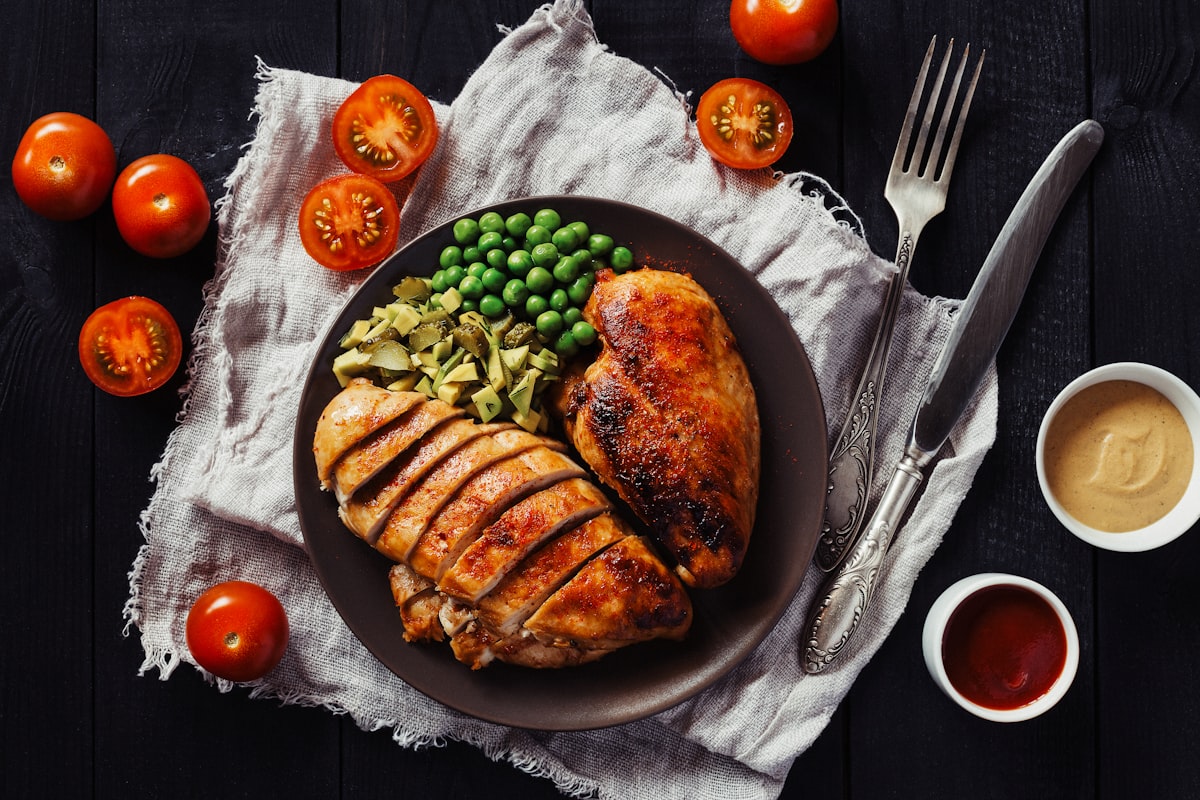
Muscle-Building Lunch Bowl
Grilled chicken breast (40g protein), brown rice (45g carbs), roasted broccoli, olive oil drizzle. Total: 650 calories.
Perfect post-workout meal
Hormone-Supporting Breakfast
Three-egg scramble (18g protein), whole grain toast (25g carbs), spinach, mushrooms, olive oil. Total: 320 calories.
Zinc and selenium rich
Cardiovascular Health Dinner
Wild-caught salmon (35g protein), sweet potato (30g carbs), asparagus, lemon butter. Total: 480 calories.
Omega-3 rich for heart health

Recovery Smoothie Bowl
Greek yogurt (20g protein), berries, granola, almonds, honey drizzle. Total: 380 calories.
Antioxidant and probiotic blend

Iron & Strength Dinner
Lean beef sirloin (38g protein), quinoa (35g carbs), roasted root vegetables, herbs. Total: 620 calories.
B vitamins and iron packed
Nutrient-Dense Snack Board
Hummus with vegetables, raw almonds (8g protein), whole grain crackers, aged cheese. Total: 280 calories.
Sustained energy between meals
Common Nutrition Questions Answered
For muscle-building goals, target 0.7–1.0 grams of protein per pound of body weight daily. A 180-pound man should aim for 126–180 grams daily, distributed across 4–5 meals (25–40 grams per meal). This distribution optimizes muscle protein synthesis. Protein quality matters—prioritize complete proteins containing all nine essential amino acids: lean meats, fish, eggs, dairy, and legumes. Consume protein within two hours post-workout when muscle tissue is most receptive to rebuilding signals.
What Our Customers Say
"Healthymanvitals transformed my energy levels within weeks. I feel more focused at work and have the stamina for my gym routine again. Highly recommend!"
— Michael R., Age 42
Verified Customer
"My doctor recommended I improve my nutrient intake. These supplements are high-quality and genuinely make a difference. I'm sleeping better too!"
— James T., Age 55
Verified Customer
"As someone serious about fitness, I need supplements I can trust. Healthymanvitals delivers premium formulations backed by science. Worth every penny."
— David K., Age 38
Verified Customer
"Customer service is excellent, and the product quality is consistent. I've been ordering for over a year now and wouldn't switch brands."
— Robert L., Age 50
Verified Customer
Start Your Journey to Better Health Today
Join thousands of men taking control of their wellness with science-backed supplements from Healthymanvitals.
100% Secure. Free Shipping on Orders Over $50.
Healthymanvitals
Premium supplements designed for men's health, energy, and performance.
© 2024 Healthymanvitals. All rights reserved. These statements have not been evaluated by the FDA. This product is not intended to diagnose, treat, cure, or prevent any disease.